Keep
Choosing the best, and writing it down simply.
We all have too many images and too few moments. A thousand captures, bursts, full screens - and so little we ever truly find again. Keeping is not about piling everything up. It is about choosing.
The articles on this page are about that gesture: sorting to keep only what truly tells a moment, and writing it down simply. There is no need to write well. A title, a story of a few lines, one or two chosen images: that is all, and it is already a lot.
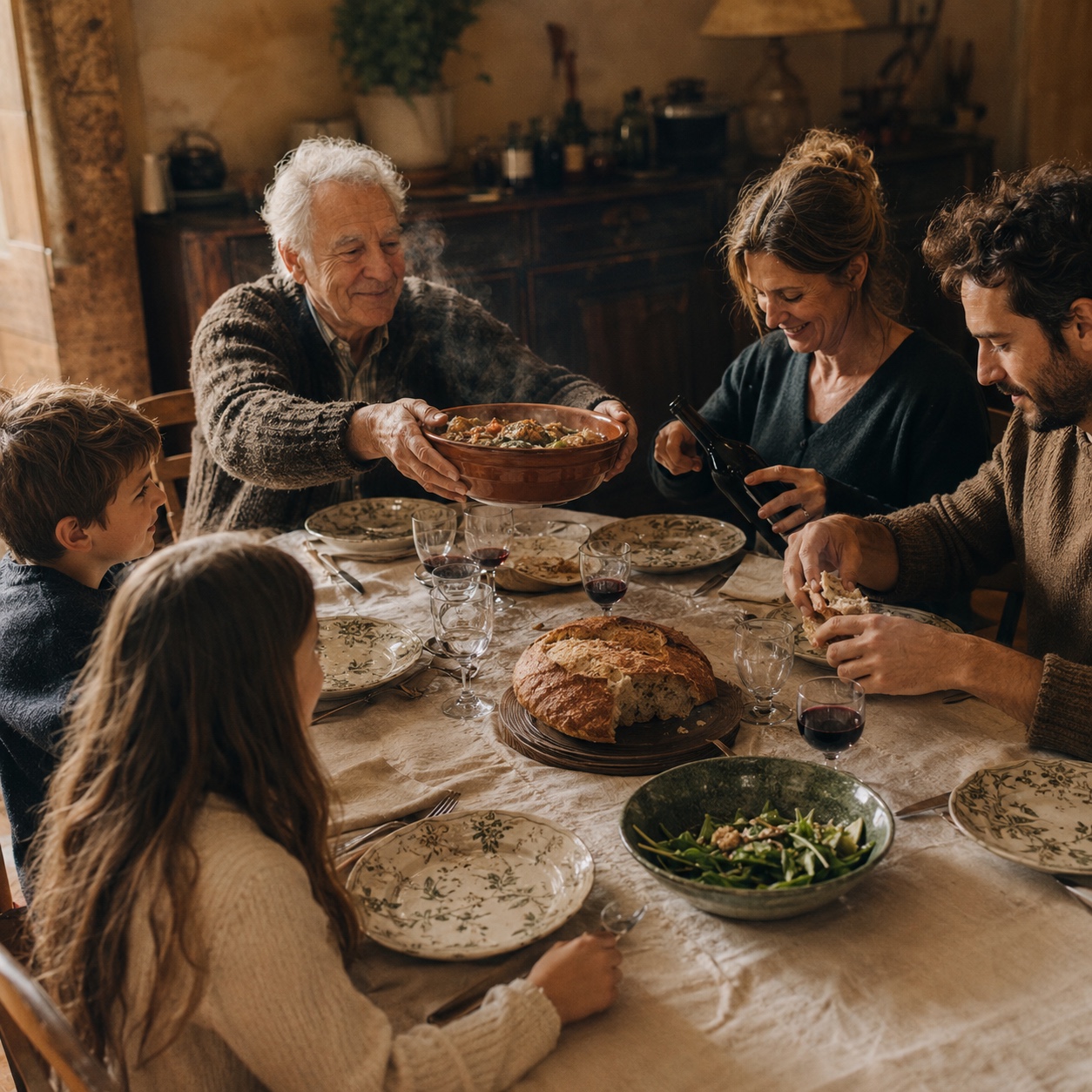
You will find how to sort through your photos without spending hours on it, how to begin a memory when the page is blank, and why a few honest lines are worth more than a perfect page. The gestures that come back - a Sunday meal, a summer that feels the same - are often the simplest to keep, because you already know why they matter.
You do not have to do everything at once. You begin with the moment that calls you, and leave the others for another day. It is your book, your pace.
-
Keep
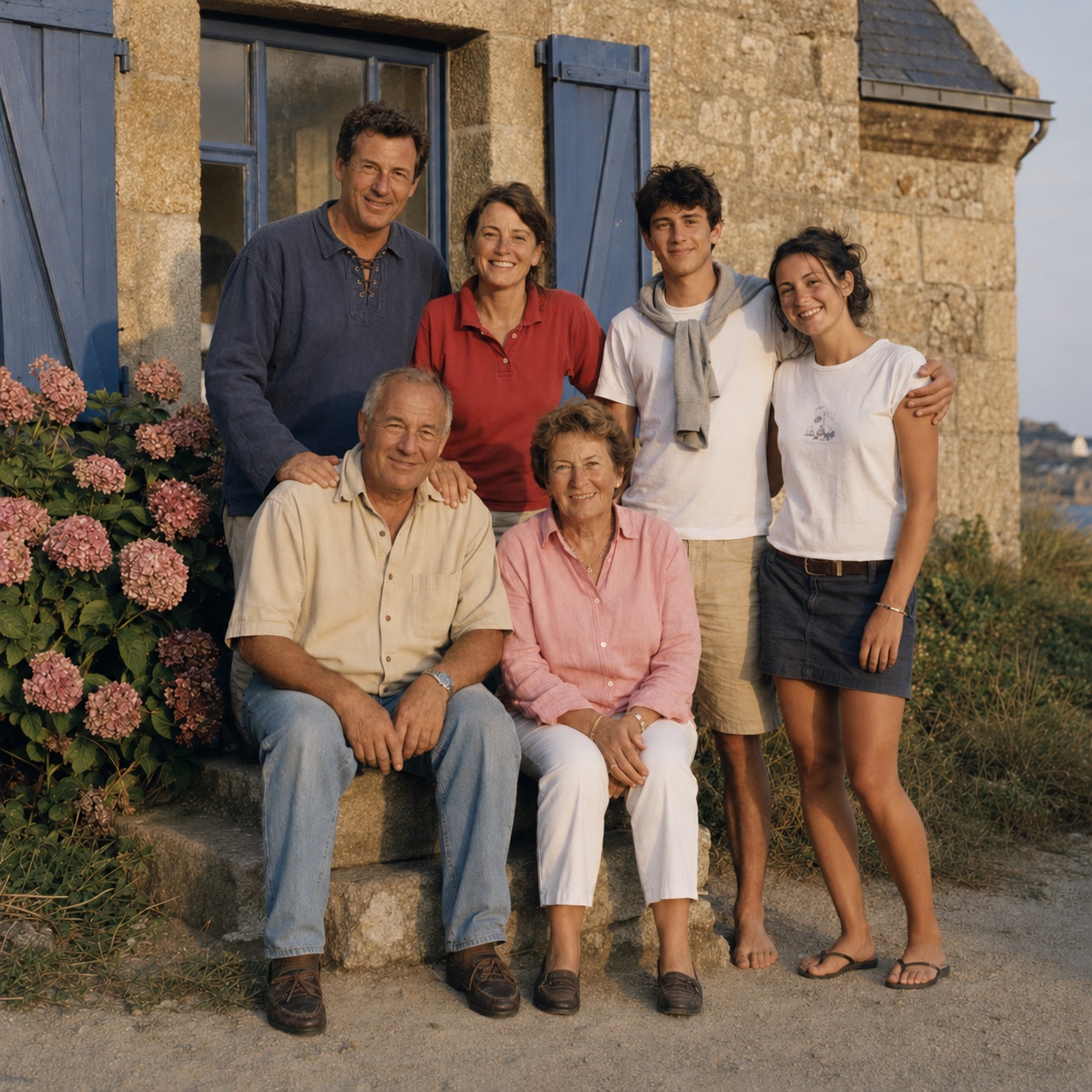
Same place every summer: writing thirty years of returning
You have been going back for twenty, thirty, sometimes forty summers. The family holiday place holds an intimate geography no photograph captures. Here is how to set it down.
Read more -
Keep
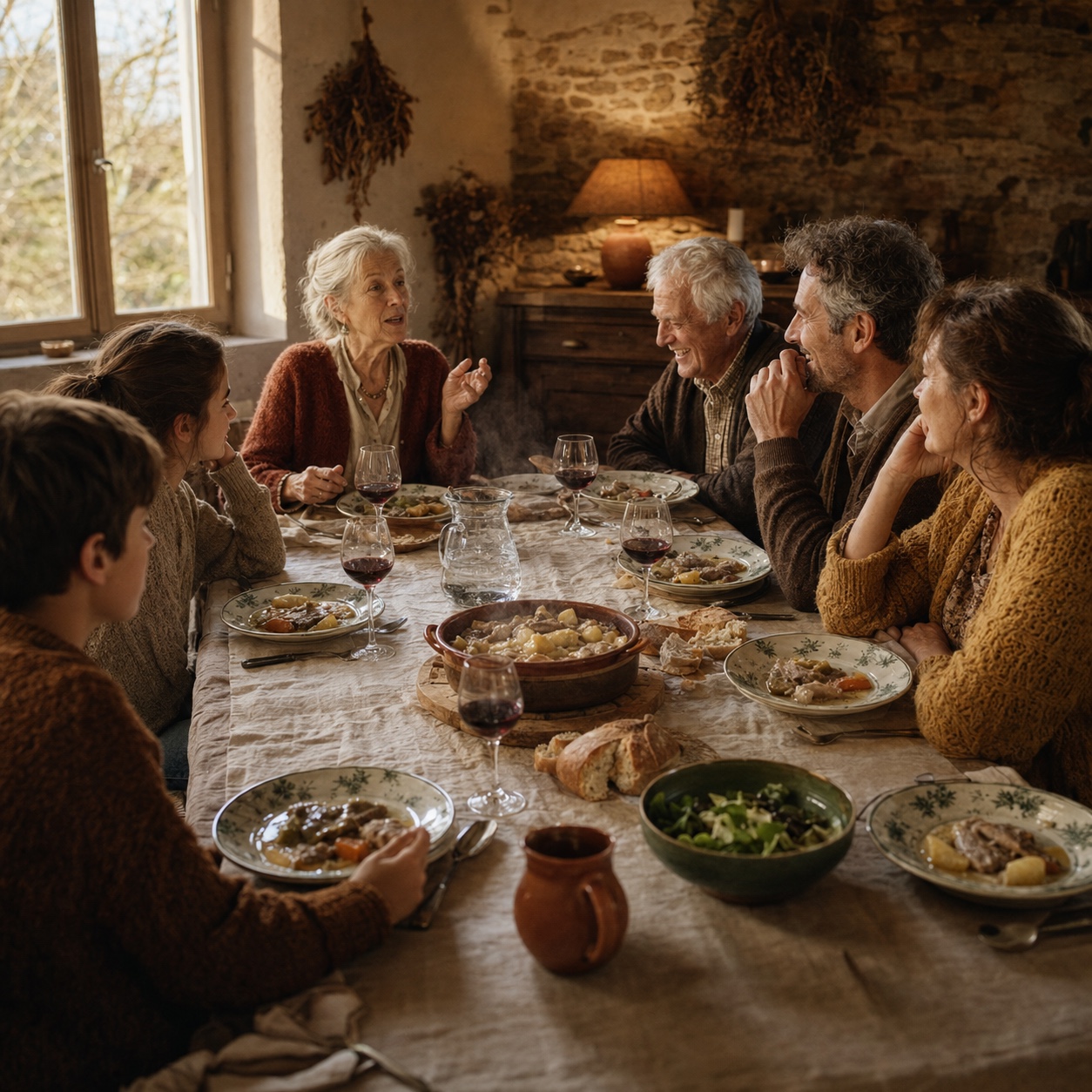
Sunday family meal: writing it down so it keeps being played
The Sunday family meal carries more than a menu. It holds a voice, an order, rituals that nobody ever writes down. Here is how to set them down, while they are being played, and share them.
Read more